Groundhog Day Reading, Writing, and Vocabulary Activities for ESL Classrooms
Groundhog Day is one of my favorite holidays to teach in ESL because it’s short, visual, and packed with opportunities for reading, vocabulary development, speaking, and writing. The story of a groundhog predicting the weather naturally connects to high-frequency and academic vocabulary like winter, spring, weather, shadow, and predict—all essential for English Language Learners.
In this post, I’m sharing how I introduce Groundhog Day reading, writing, and vocabulary games in my ESL classroom while supporting students across different grade levels and language proficiencies.

Disclaimer: In this blog, the terms ESL students (English as a Second Language), ELLs (English Language Learners), and ML (Multilingual Learners) are used interchangeably. While “Multilingual Learners” is becoming the more widely accepted term, “ESL students” and “English Language Learners” are still commonly used in various contexts. My aim is to be inclusive and clear to all readers, regardless of the terminology they are familiar with.
Groundhog Day Reading Activities for ESL Students
Building background knowledge through visuals and shared reading
I always begin by introducing Groundhog Day with pictures and discussion. Before reading, students look at images of groundhogs and talk about what they notice. This simple step builds confidence, especially for newcomers, and prepares students for both fiction and nonfiction reading.

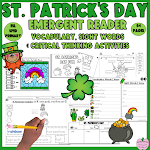
For younger students and beginners, I use emergent and decodable Groundhog Day readers with predictable sentences and strong picture support. Students track print, identify sight words, and follow along during shared reading. These activities help ELLs build fluency while feeling successful.


Groundhog Day Vocabulary Games for ESL and Early Elementary
Teaching weather and seasonal vocabulary through movement and visuals
Groundhog Day vocabulary is perfect for hands-on learning. Words like winter, spring, cold, warm, shadow, and weather are much easier for ELLs to understand when paired with pictures, gestures, and games.
 .
. 
I use vocabulary matching games, color-by-code activities, and Write the Room to keep students moving while learning. These vocabulary games lower language anxiety, increase engagement, and give students repeated exposure to new words in a meaningful way.
Movement-based vocabulary practice is especially helpful for ELLs because it:
- Strengthens memory
- Encourages participation
- Reduces pressure to speak perfectly
Teaching Groundhog Day Nonfiction Reading in ESL Classrooms
Using leveled texts to build comprehension and academic language

- What Groundhog Day is
- Why people celebrate it
- How groundhogs behave during winter
Groundhog Day Writing Activities with Crafts for ESL Learners
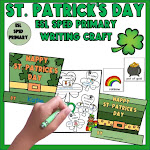
Supporting writing through sentence starters and hands-on projects

- Write complete sentences
- Use new vocabulary correctly
- Build confidence in academic writing


Would you like to get more freebies, exclusive deals, ESL tips, crafts, and classroom culture ideas? Sign up for my weekly newsletter!

























0 Comments