2. Build Oral Language and Vocabulary
Before asking ESL students to write, it’s important to give them time to build vocabulary and oral language first. When students have the words they need, writing becomes much less stressful.
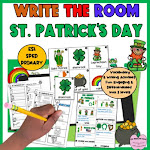
A simple way to start is with St. Patrick’s Day themed images.
Try this:
- Show pictures of shamrocks, rainbows, leprechauns, coins, and celebrations
- Use the PWIM (Picture Word Inductive Model) or a See–Think–Wonder routine
- Brainstorm and label vocabulary together
- Practice speaking using short sentence frames
You can also introduce verb + noun phrases, such as:
- trap a leprechaun
- wear green clothes
- play the violin
- celebrate with friends
Once students have vocabulary, move into shared writing. Model a simple story structure:
Beginning: One day… or On St. Patrick’s Day…
Middle: What happened?
Ending: How did it finish?
Feelings: How did the characters feel?
For newcomers, tracing words, labeling pictures, and using sentence starters like “I see…” can build confidence before independent writing.
3. Use Sentence Building Centers for Grammar Practice & Vocabulary
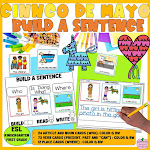
Newcomer and early intermediate ESL students benefit from clear structure and routines. One activity that consistently works well is Build a Sentence Centers.
Students create themed sentences using a simple pattern:
Who + What + Where
Example:
The leprechaun finds gold in the garden.
These centers support mixed proficiency levels because:
- Picture cards include labeled vocabulary
- Visual supports help newcomers succeed
- Color-coded cards reduce confusion
- Students can work independently with confidence
While students build and record sentences, teachers can pull small groups to review grammar skills such as:
- Present simple verbs
- Past tense verbs
- Modal verb can for ability
It’s an easy way to differentiate instruction while keeping the classroom calm and productive.
4. Reinforce Vocabulary with ESL Games
Games are one of the best ways to reinforce ESL vocabulary and listening skills while keeping students motivated.
St. Patrick’s Day Vocabulary Scavenger Hunt
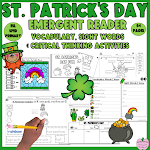
Hide themed vocabulary cards around the classroom. Students search for the cards and record the words they find.
Differentiation ideas:
- Newcomers: trace the vocabulary words
- Beginner students: copy the word from the card
- Intermediate students: write the words independently
This activity can also support phonics and beginning sound practice, especially with younger learners.
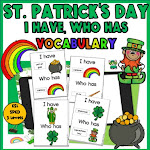
“I Have, Who Has?” Vocabulary Game
This classroom favorite builds:
- listening comprehension
- speaking fluency
- vocabulary recognition
- classroom collaboration
Students listen carefully and respond when they hear the card connected to theirs. It’s fast-paced, interactive, and perfect for reinforcing seasonal vocabulary.
Here is a kindergarten version of that game that focuses on letter or sound recognition.

5. Try Listen, Draw, Act, and Laugh Activities & Crowns Craft
Another activity students love is Listen, Draw, Act, and Laugh. It combines listening practice, drawing, and movement in a fun way.
These activities help ESL students:
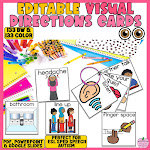
- practice following directions
- develop active listening skills
- strengthen memory and comprehension
- build fine motor skills
- expand oral language through movement
To use this activity:
- Give students a worksheet.
- Read directions one step at a time.
- Students listen carefully and draw what they hear.
Directions might include things like:
- write your name with a green crayon
- color the shamrock green
- pretend to wave a flag
Some directions can also include acting motions, which students love. Movement through Total Physical Response (TPR) helps language stick.
The best part? It requires very little prep.
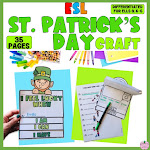
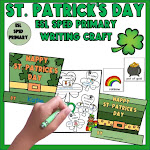
6. St. Patrick's Day I feel Lucky when ... Writing Craft
This St. Patrick’s Day writing craft invites students to reflect on what makes them feel lucky while practicing writing. Visual word banks with prompts such as “I feel lucky when I am…,” “I feel lucky when I can…,” and “I feel lucky when I have…” help students generate ideas and use supportive vocabulary. The activity includes differentiated templates so younger students can draw and label their ideas, while older students write more independently. Finished pieces can be combined with festive craft toppers to create a simple St. Patrick’s Day classroom display.
Making St. Patrick’s Day Meaningful for ESL Students
Seasonal themes can do more than decorate the classroom. They can provide meaningful opportunities to build ESL vocabulary, grammar, listening, speaking, and writing skills in engaging ways.
After long testing periods or busy academic weeks, activities like these can give students the mental break they need while still supporting language development.
A little green, a few rainbows, and a lot of language practice can make March feel a bit more magical in the ESL classroom.
Need ESL SEL counseling resources for St. Patrick’s Day? Check out this fun resource! It’s perfect for helping students manage state test day anxiety.
Looking for more March ESL activities and seasonal lesson ideas?
Click here to explore more resources.
Would you like to get more freebies, exclusive deals, ESL tips, crafts, and classroom culture ideas? Sign up for my weekly newsletter!































0 Comments